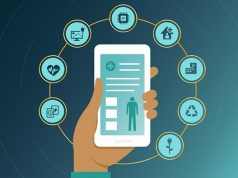

Professional certification has long been part of career advancement in fields ranging from technology to financial services. What has changed is how learners prepare while balancing demanding jobs, family responsibilities, and limited study time. Digital platforms now offer practice tests, mobile lessons, progress tracking, and flexible review tools that were difficult to deliver through traditional classrooms. These technologies can improve access to learning when they are used thoughtfully. Let’s take a look at some of the options out there.
Digital Study Resources Make Preparation More Flexible
Working professionals rarely have identical schedules or learning needs. One person may study during a commute, while another has time only after children are asleep. Online preparation can make lessons and practice questions available in smaller blocks rather than requiring attendance at a fixed classroom time. That flexibility is helpful, although it still requires students to protect regular study time.
In regulated financial careers, learners may use series 7 study materials that combine structured content review with practice questions and examination preparation. The Series 7 is a securities qualification examination, and candidates should confirm sponsorship, registration, and examination requirements through official industry sources. Digital resources support the learning process but do not replace meeting regulatory requirements. Their greatest benefit is giving learners organized access to material they must understand independently.
Practice Testing Turns Review Into Active Learning
Reading notes repeatedly can create a familiar feeling without demonstrating that information can be recalled accurately. Practice questions require learners to retrieve knowledge, interpret wording, and select a response. This active process can reveal misunderstandings that passive review misses. Digital platforms make it easier to repeat the cycle without waiting for an instructor to grade a paper test.
Immediate feedback is useful when it explains why a response was right or wrong. A learner who misses a question about an unfamiliar concept should investigate the principle rather than memorize the answer letter. Explanations can help connect individual questions to broader rules or procedures. Otherwise, repeated exposure to the same question bank may produce artificial confidence.
Learning Analytics Can Identify Weak Areas
Digital platforms can track which topics a learner answers correctly, how long questions take, and whether performance improves over time. This information allows students to allocate study time more deliberately. Someone consistently missing one subject may benefit from revisiting foundational explanations before completing more tests. Without this feedback, learners may spend disproportionate time reviewing material they already know.
Data requires interpretation because a score reflects the questions selected and the conditions under which they were answered. A high result on familiar questions may not indicate mastery of new scenarios. Progress can also fluctuate because of fatigue, distractions, or differences in difficulty. Effective learners look for patterns over several sessions rather than reacting strongly to every number.
Microlearning Helps Busy Professionals Stay Consistent
Short lessons can be particularly useful for reinforcing information between longer study sessions. A five-minute review of terminology or a small set of practice questions is easier to fit into an ordinary day than an uninterrupted hour. Mobile access can turn otherwise unproductive waiting periods into manageable study opportunities. These brief sessions are most valuable when they complement, rather than replace, deeper work.
Complex concepts still require sustained attention and application. Financial regulations, technical procedures, and case-based judgments cannot always be understood through isolated snippets. Learners may need time to work through examples, compare exceptions, and explain the reasoning behind a rule. Microlearning supports memory, while longer sessions build connected understanding.
Adaptive Platforms Offer Benefits and Limitations
Adaptive learning tools attempt to adjust content or question difficulty based on a learner’s responses. In theory, this can direct attention toward gaps while reducing unnecessary repetition. Some platforms also recommend study sequences or review schedules. These features may improve efficiency, but their quality depends on sound content and meaningful assessment data.
Automated recommendations can be mistaken when they have too little information or use weak explanations. A student may answer correctly through guessing or miss a question because of ambiguous wording. Human judgment remains important for identifying when a concept needs a different teaching approach. Learners should feel comfortable consulting official references, instructors, or qualified professionals when software explanations seem incomplete.
Build a Study System Around Understanding
Technology works best when it supports a clear preparation strategy. Learners can begin by reviewing the exam content outline, setting a realistic schedule, and identifying the amount of study time available. They can then combine instruction, active recall, practice questions, and periodic assessment. The plan should be revised as evidence reveals strengths and weaknesses.
Organization also matters because digital learning can become fragmented across devices and platforms. Keeping a central list of difficult concepts and explaining them in plain language can make review more purposeful. Learners should monitor whether their understanding transfers to unfamiliar questions. Recognition of familiar wording is not the same as the ability to apply a principle.